| Slovakia Genealogy Research Strategies | ||||||
| Home | Strategy | Place Names | Churches | Census | History | Culture |
| TOOLBOX | Contents | Settlements | Maps | FHL Resources | Military | Correspondence |
| Library | Search | Dukla Pass | ||||
Kolbasov (Vegaszo)
We have very little information about this village. If you would like to contribute knowledge or material about this village, please drop us a note.
|
Village Information |
Village Links |
Regional |
|
History of the Ulic Valley, 2002 (rewrite of the 1996 version) |
Online Historical Book: Below Snina Rock (1964) |
|
|
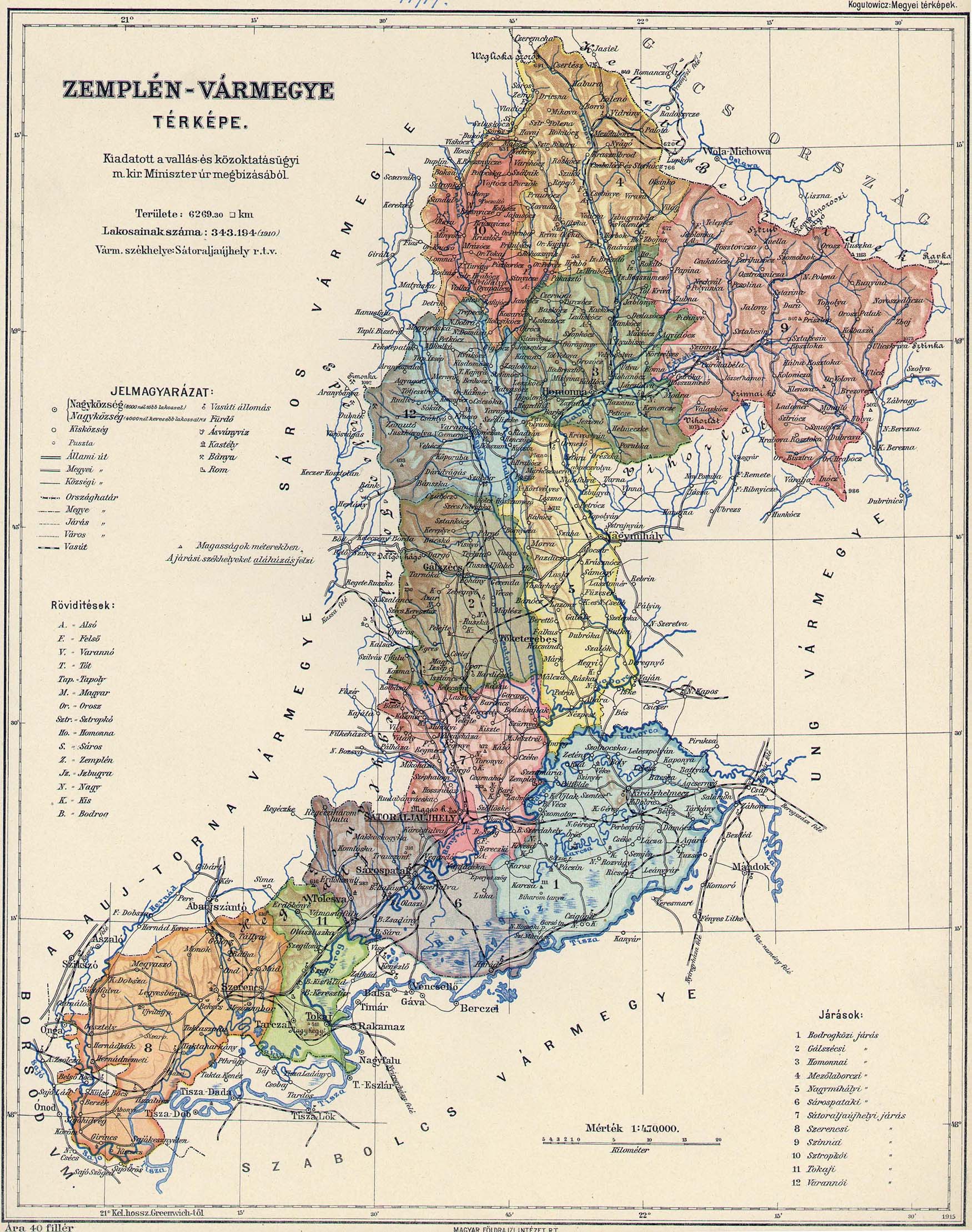
1914 Zemplin County Map (714KB) |
Highlights
| First Mentioned | 1548 |
| 2001 Population |
9 Rusyn, 8 Ukrainian, 178 Other 0 Orthodox, 179 Greek Catholic, 16 Other |
| 1914 Population |
372 4 Magyar, 44 German, 315 Ruthenian; 333 Greek Catholic, 38 Jew |
| Village Names |
Koves/Vegaszo/Vegazo 1548 Kolbasa, Kolbazo, Vegazo, 1773 Kolbaso, 1808 Kolbazo |
History
Initially the village was owned by the Humenne estate, later to the Stropkov estate. Later it came under the possession of the Paulin monks of Trebišov. In 1830, ownership passed to the Prešov Greek Catholic Church Archibishopric. Through its history, its residends were occupied as woodmen and seasonal workers.
Source: Vlastivedný Slovník Obcí na Slovensku Bratislava 1977
Liberated by the Red Army on 26 November, 1944.
The Tragedy of the Ulič Valley
In the summer of 1945, following the end of World War II, "bandits" or "Banderovci" began to roam Czechoslovakia. They wandered mostly in the Slovak mountains, primarily remote places and village. These groups went by names of "Iron", "Karmeluk", "Sokil", "Peryh" and "Browsko." The "Banderovci" robbed people primarily of food, cattle, clothing and medicine. [Banderovci were independent brigades, named after their founder, Stefan Bandera, who led the Ukrainian Insurgent Army (UPA).] In the fall of 1945, 11 people became victims of their raids, ravaging and looting of the villages. They traveled from Nova Sedlica to Zboj then to Ulic on December 6th, murdering people. They arrived in Kolbasov the night of December 6th, the last night of the Jewish Holyday Chanukah.
In 1941, Hungarian officials came to Kolbasov, arrested the Jakubovic family, who were forced to work for the Nazis n Poland. They escaped and miraculously made it back to Kolbasov by foot. In 1943, they were re-arrested by the Nazis. Three sisters, one brother and parents. Two of the sisters survived Auschwitz and Nuengamme Saldzwedel, liberated by Americans in 1945. The two sisters were the only survivors. But again, they made it back to Kolbasov. Helena Jakubovicova explains that the bandits came looking for Jews. Someone in the village disclosed that 12 young Jews were living in the house of Mendela Pollaka. When the bandits burst into the house and began killing the occupants, Helena Jakubovicova, then eighteen years of age, slid down behind a bed, unseen by the bandits, but a witness to the massacre. After the massacre Helena moved to the U.S.A. She has never been back.
The government sent four battalions, along with police and other guards to put down the bandits. The military forced these bandits to leave the country and go "back to" Poland when several tens of thousands of them were still operating.
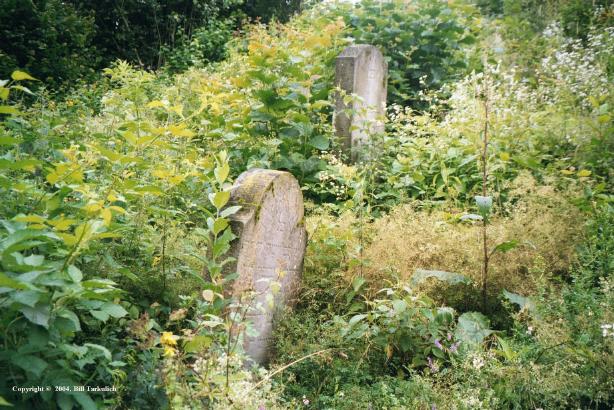
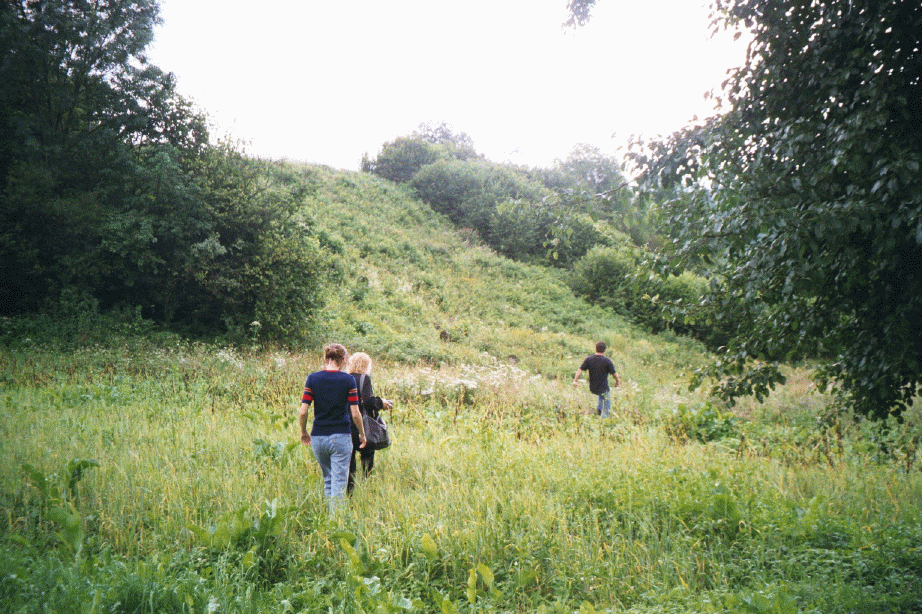
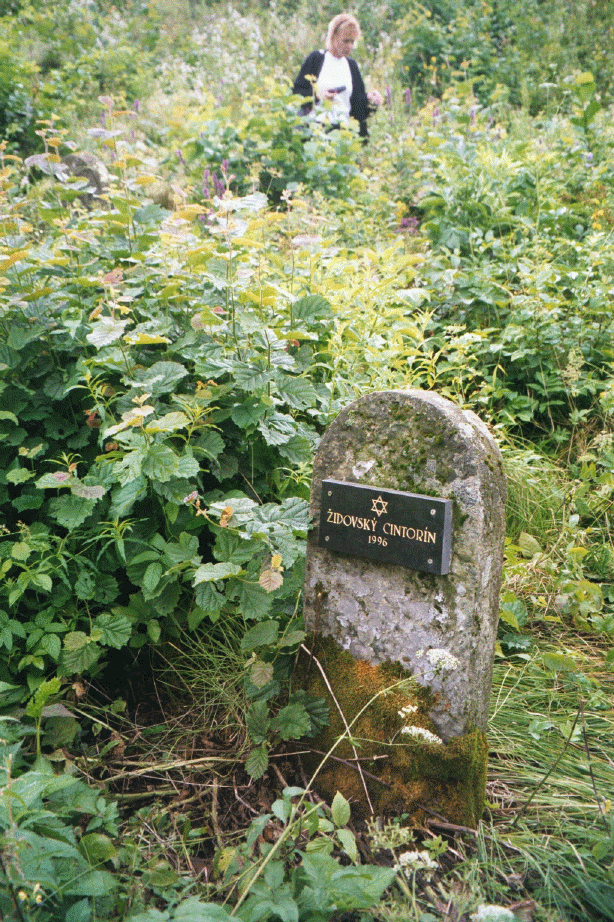
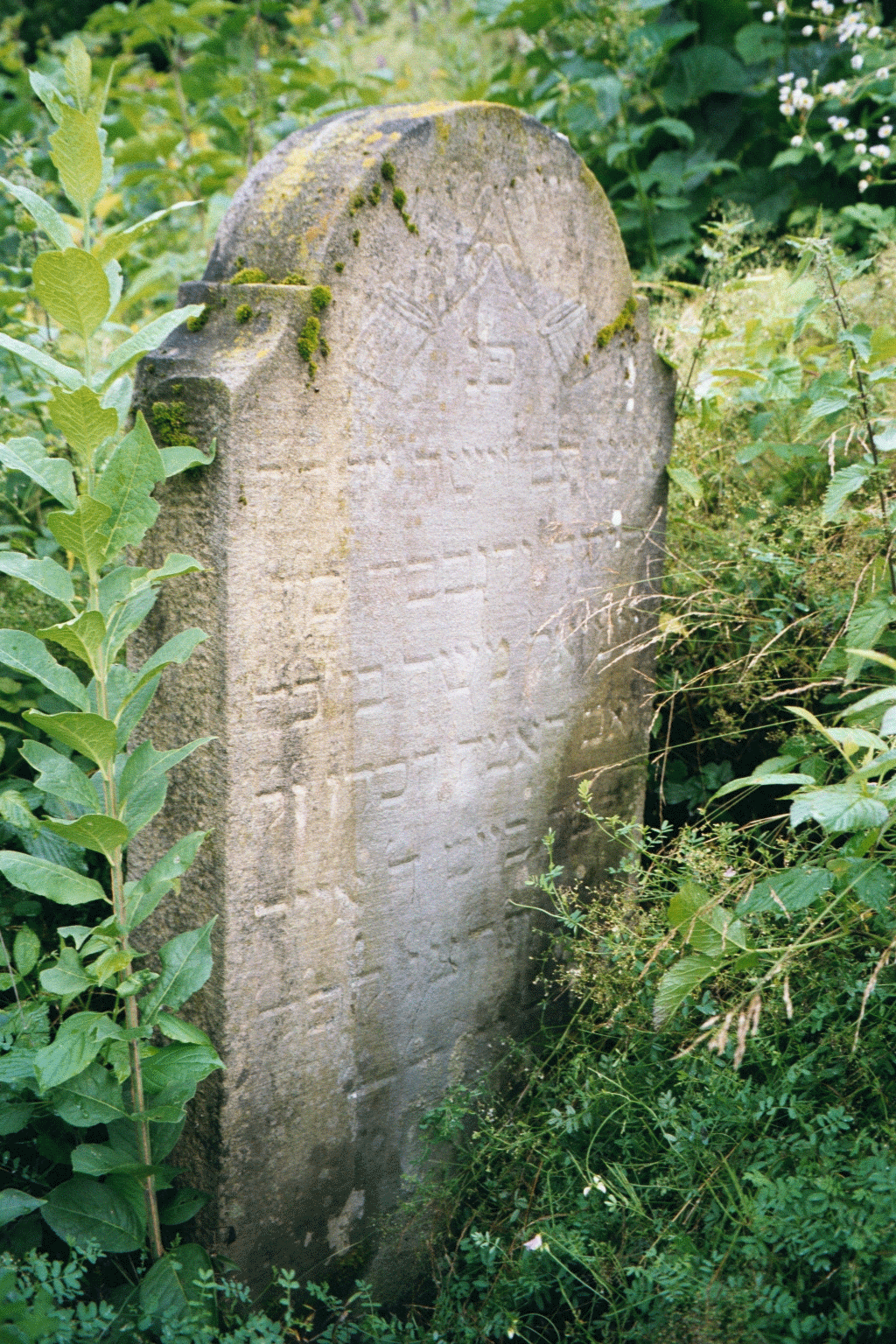
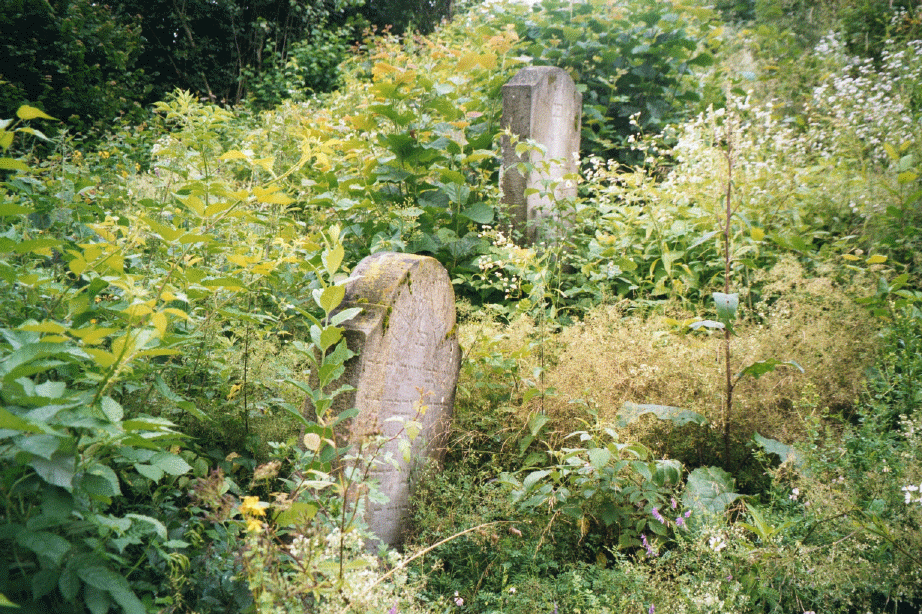
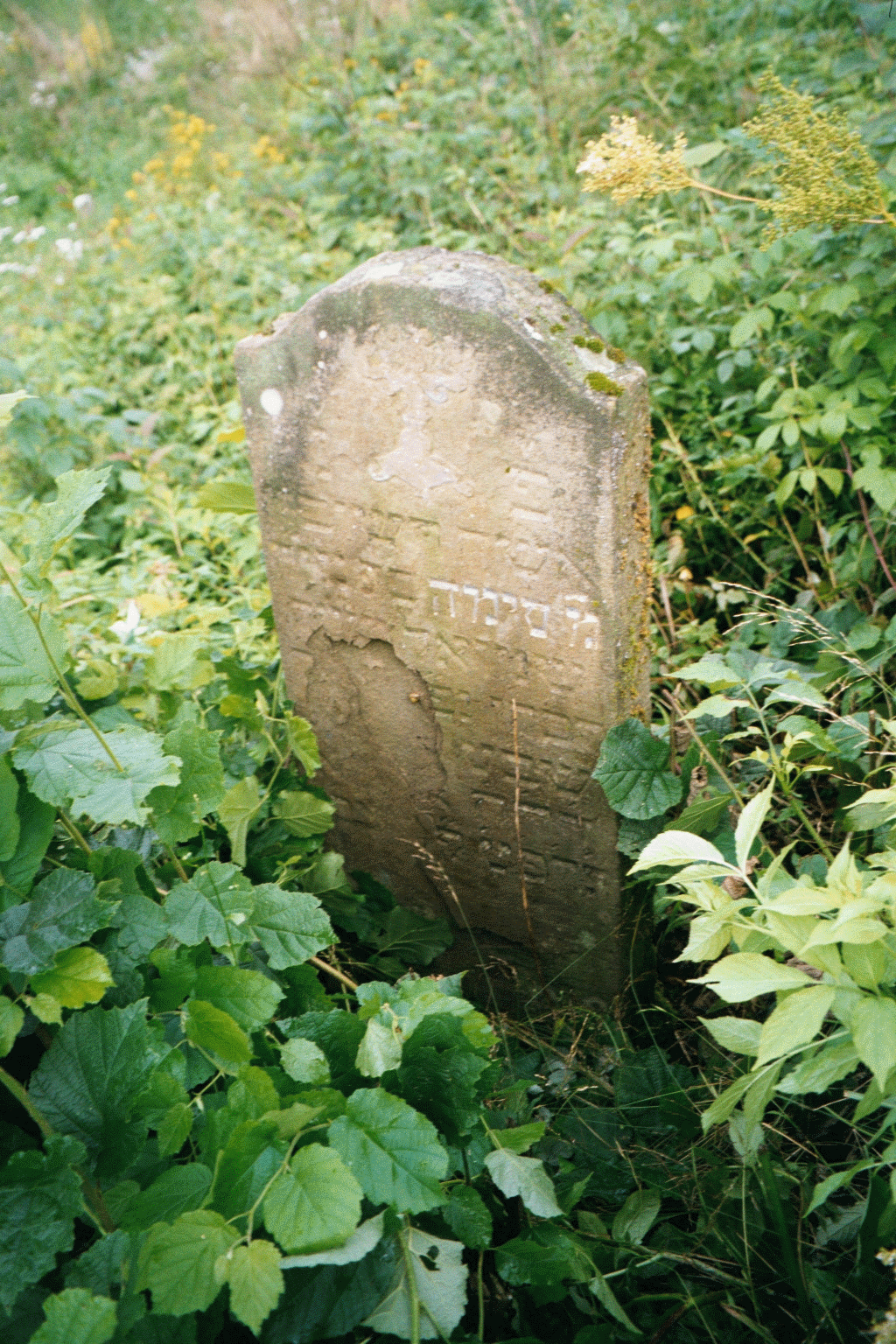
The victims were buried in the Jewish burial graveyard in Kolbasov, but later exhumed and moved to a graveyard in Snina.
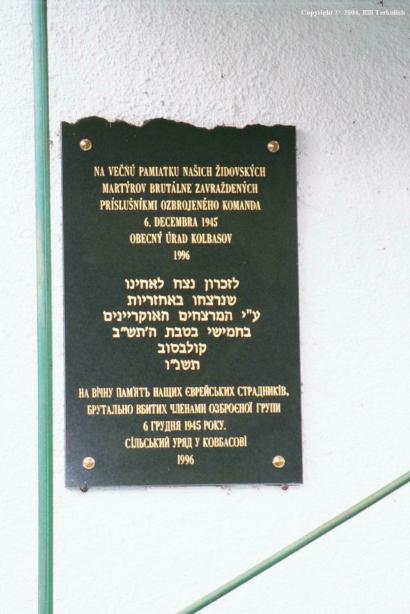
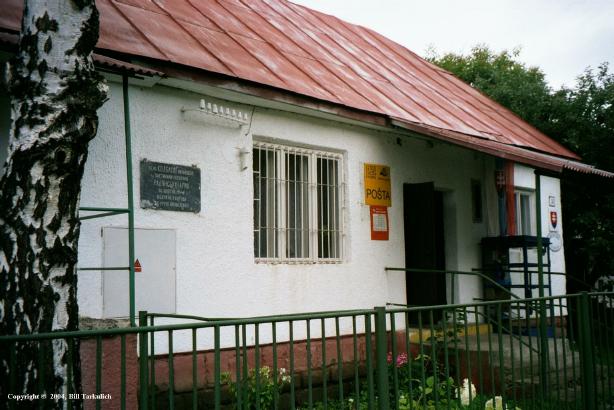
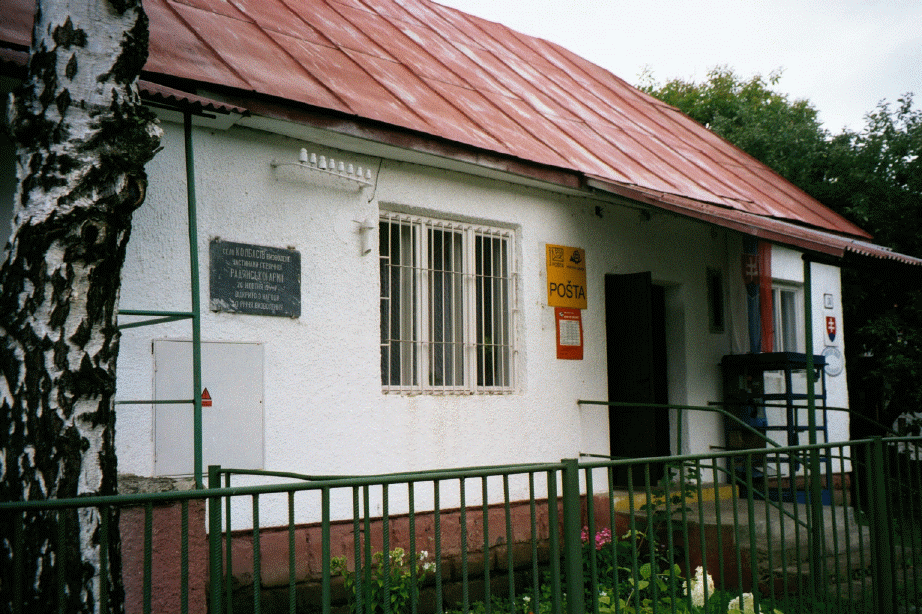
In a ceremony 50 years later, a plaque was placed on the municipal building. Today, no Jews can be found among the population of Kolbasov or neighboring villages. To this day the locals cannot agree on who the "bandits" were. Some say former Nazis, some say Ukrainian nationalists, some say the Banderovci, some say hooligans, and, there are others. It seems as if it will always remain a mystery.
Sources:
Jakubovicova Family
Kolbasovska tragedia, SME 16-11-1996 EVA COBEJOVA
ODKUD SE VZALI BANDEROVCI NA MORAVĚ, Ministerstvo vnitra České republiky, 2002 FUTURE ADD
1548 Kolbasa, Kolbazo, Vegazo, 1773 Kolbaso, 1808 Kolbazo. Mewntioned for the first time in 1548, the village belonged to the Humenné town and the Stropkov town dominion. After it passed under the dominion of Paulin monks of Trebišov. In the 1830 century belonged to the Greek –Catholic Prešov Archibishopric. During the History, its inhabitants were occupied as woodmen and seasonal workers. Source: Roberto Cannoni, Italy
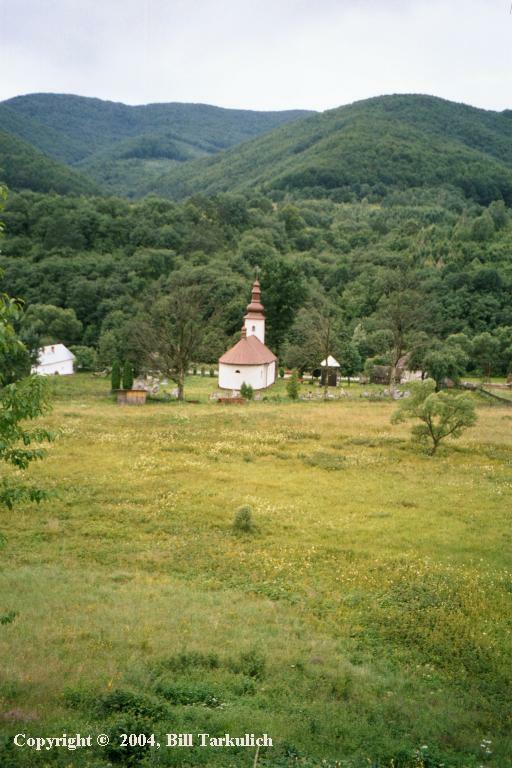
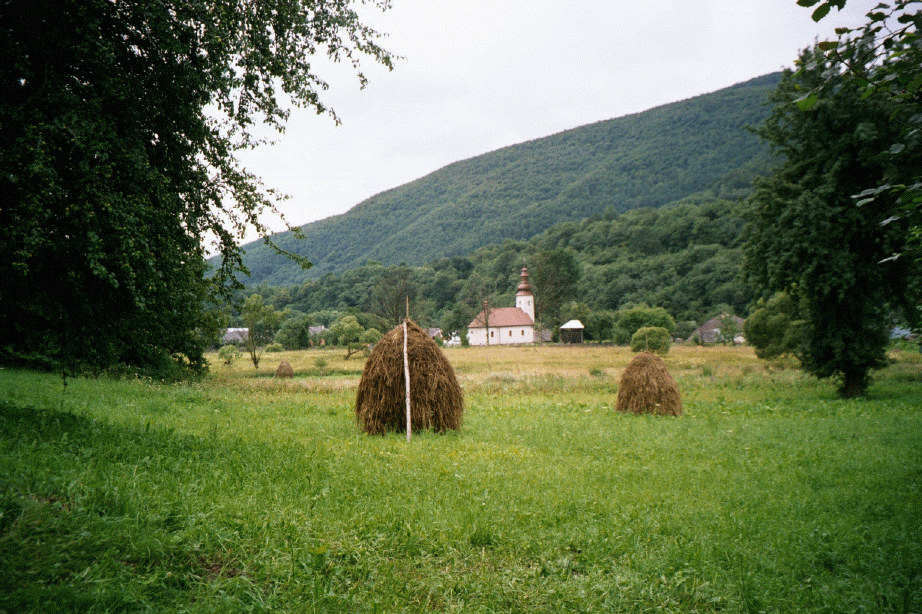
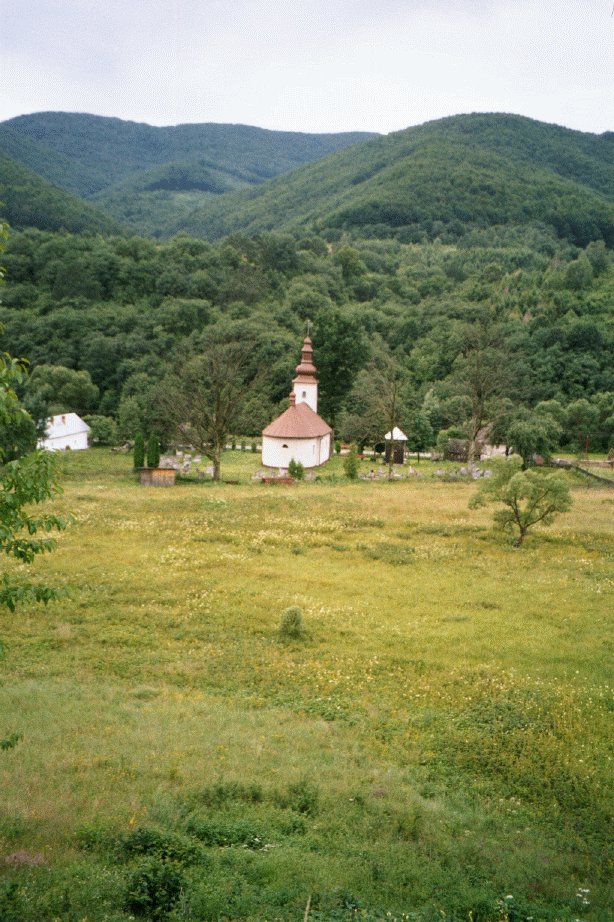
Greek Catholic Church - Troch Svätiteľov (Three Saints / Holy Trinity) 1880 (KP) . The church is affiliated (managed) by the church in Ulic.
Photos
|
|
|
|
|
|
||||
|
|
|
|
|
|
|
|
|
|
|
|
|
|
|
Surnames
Demyan, Jakubovic
JUDKOVIC (2007, R. PALEFSKY)
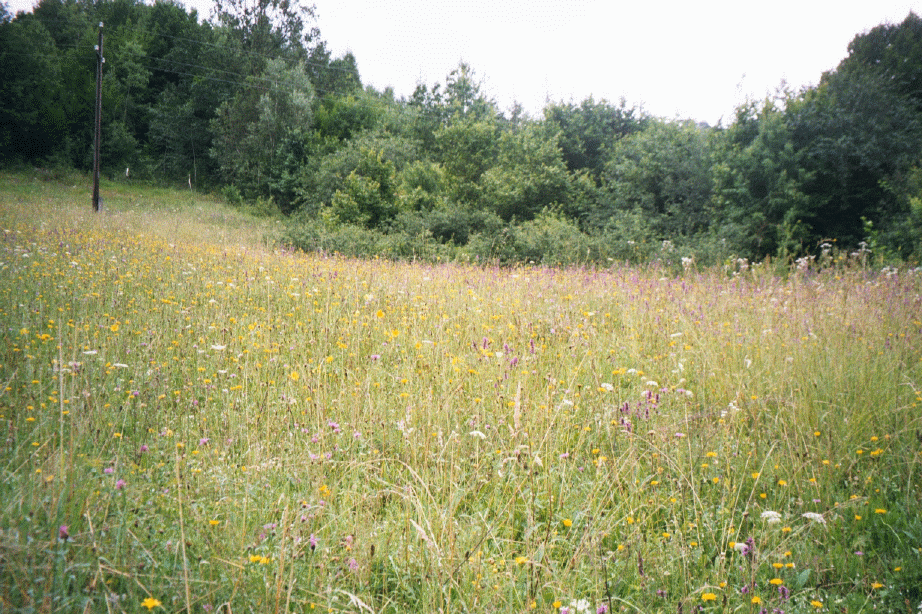
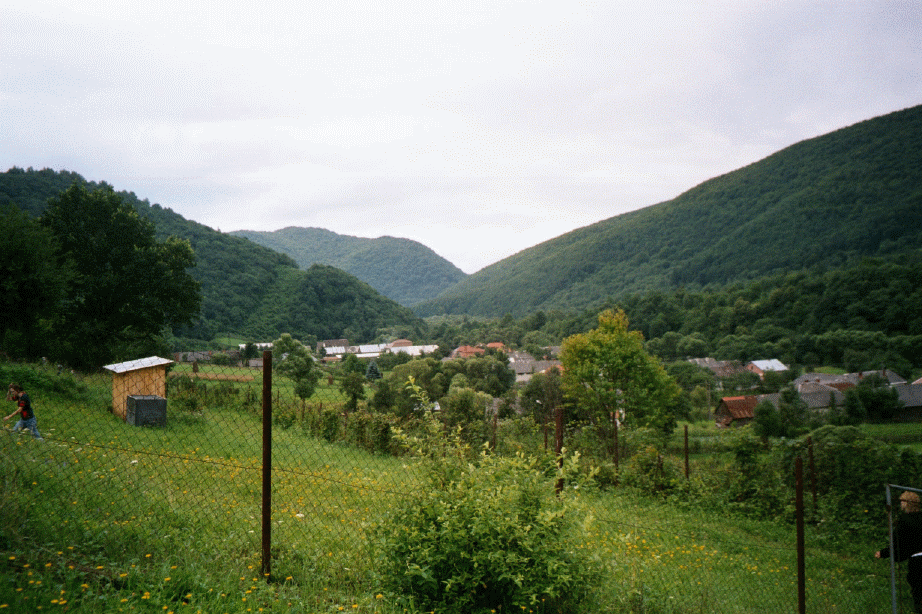
Photo Credit: Bill Tarkulich, 2001
Links to off-site webs will open in a new window. Please disable your pop-up stopper.
Last Update: 15 November 2020 Copyright © 2003-2021, Bill Tarkulich